
· by Donna Dosado · 6 min read
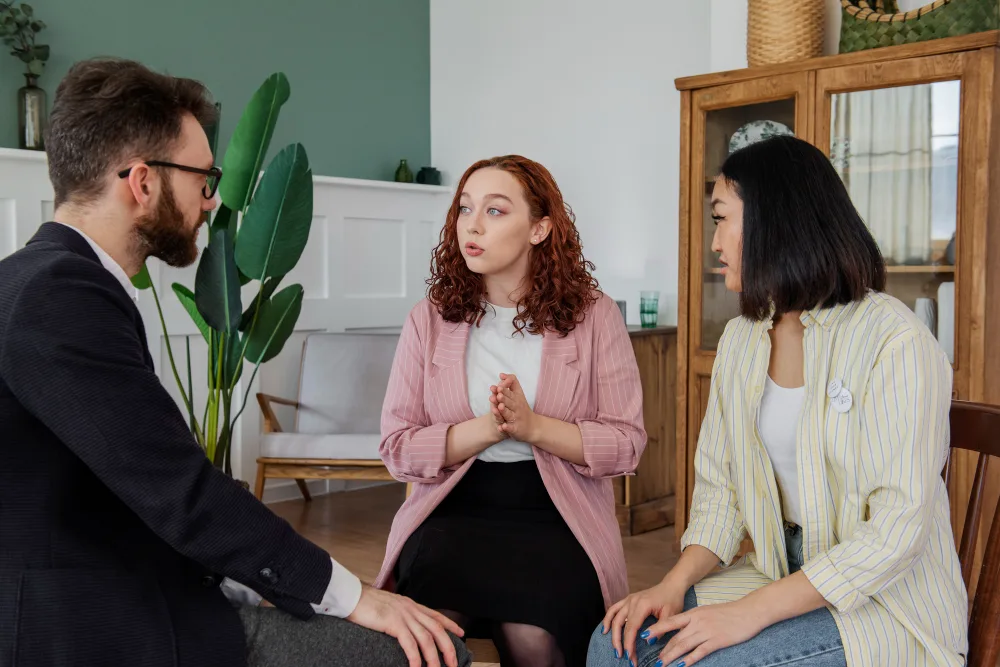
Choosing a collaborative divorce is the first step toward a more amicable separation. This process allows you and your spouse to work together with your respective attorneys and other professionals to reach a mutually acceptable agreement without going to court. While this approach is less adversarial than traditional litigation, the first meeting can still feel daunting. Knowing what to expect and how to prepare can significantly ease your anxiety and set the stage for a productive process.
This guide will walk you through the essential steps to prepare for your initial collaborative divorce meeting. By understanding the goals of this first session and gathering the necessary information beforehand, you can enter the room with confidence, ready to work toward a respectful resolution. We'll cover everything from organizing your financial documents to setting your personal goals for the process, ensuring you feel empowered from the very beginning.
What is a Collaborative Divorce?
Before diving into preparation, it's important to understand the collaborative divorce model. Unlike a traditional divorce where lawyers for each side battle in court, a collaborative divorce involves a team-based approach. You and your spouse each hire a specially trained collaborative divorce attorney. You all agree, in writing, to resolve your disputes outside of the courtroom.
The process often includes neutral professionals, such as financial specialists, child specialists, and divorce coaches, who work with the entire team to address specific issues. The goal is to foster open communication, transparency, and creative problem-solving. This empowers you and your spouse to maintain control over the outcome and preserve a respectful relationship, which is especially important when children are involved.
Steps to Prepare for Your First Meeting
Proper preparation can make your first collaborative divorce meeting much more effective. Taking the time to organize your thoughts and documents will help you communicate clearly and feel more in control.
1. Gather Key Financial Documents
One of the primary tasks in any divorce is dividing marital assets and debts. Your collaborative team will need a clear picture of your financial situation to help you and your spouse make informed decisions. While you don't need every single document for the first meeting, having a general overview is incredibly helpful. Start gathering the following:
- Income Information: Recent pay stubs, W-2s, and tax returns for both you and your spouse.
- Asset Information: Statements for bank accounts, retirement accounts (like 401(k)s or IRAs), investment accounts, and property deeds.
- Debt Information: Statements for mortgages, car loans, credit cards, and any other outstanding loans.
- A Simple Budget: A basic list of your monthly household expenses can also be useful.
Creating a folder—either physical or digital—to keep these documents organized will save you time and stress throughout the process.
2. Define Your Personal Goals
While the collaborative process is a joint effort, you need to understand your own needs and priorities. Before the first meeting, take some time for self-reflection. What are your main goals for the divorce and your future?
Consider these questions:
- What is most important to you regarding your children's living arrangements and well-being?
- Are there specific assets you feel strongly about keeping, such as the family home or a retirement account?
- What are your long-term financial goals? Do you plan to go back to school, change careers, or retire?
- What kind of co-parenting relationship do you hope to have with your spouse after the divorce?
Writing down your goals can provide clarity and serve as a personal guidepost. Remember, these goals might evolve as you move through the process, and that's perfectly okay.
3. Prepare to Communicate Constructively
The success of a collaborative divorce hinges on open and respectful communication. The first meeting is not about winning arguments or assigning blame. Instead, it's about setting a positive tone for future negotiations.
Practice thinking about your needs and desires using "I" statements. For example, instead of saying, "You never think about the kids' school schedule," try, "I am concerned about how we will manage the kids' transportation to school." This approach feels less accusatory and opens the door for productive problem-solving. Be prepared to listen to your spouse's perspective with an open mind, even if you don't agree.
4. Create a List of Questions
It's natural to have many questions about the collaborative divorce process, especially at the beginning. Before your meeting, write down everything you want to ask your collaborative divorce attorney in Orlando, FL, and the rest of the team. No question is too small or insignificant.
Potential questions could include:
- What is the timeline for a typical collaborative divorce?
- What roles do the financial neutral and child specialist play?
- How will we handle disagreements if they arise?
- What happens if one of us decides to withdraw from the collaborative process?
- How are communication and information shared between meetings?
Having a list ready ensures you don't forget to ask something important during the meeting.
What to Expect at the First Meeting
The initial collaborative divorce meeting typically involves you, your spouse, and both of your attorneys. The main objective is to establish the ground rules and goals for the process. You will all sign the "Participation Agreement," a formal contract stating your commitment to resolving all issues without going to court.
During the meeting, your team will:
- Introduce everyone and explain their roles.
- Discuss the principles of collaborative divorce, such as transparency and respect.
- Establish a communication plan.
- Identify the key issues that need to be resolved (e.g., parenting plan, division of assets, spousal support).
- Create an agenda and action items for the next meeting.
The atmosphere is designed to be safe and supportive. The focus is on creating a roadmap for a successful and respectful separation.
Find the Right Support for Your Divorce
Navigating a divorce is challenging, but the collaborative process offers a path that prioritizes dignity, respect, and mutual problem-solving. By preparing for your first meeting, you can build a strong foundation for a smoother journey ahead. Remember to gather your financial information, reflect on your personal goals, and prepare to communicate constructively.
If you are considering a collaborative divorce and need guidance, finding the right legal support is crucial. If you're looking for an experienced collaborative divorce attorney in Orlando, FL, who can guide you through this process with compassion and expertise, our team is here to help.
Contact Ilvento Law today for more information and to schedule a consultation.