
· by Donna Dosado · 6 min read
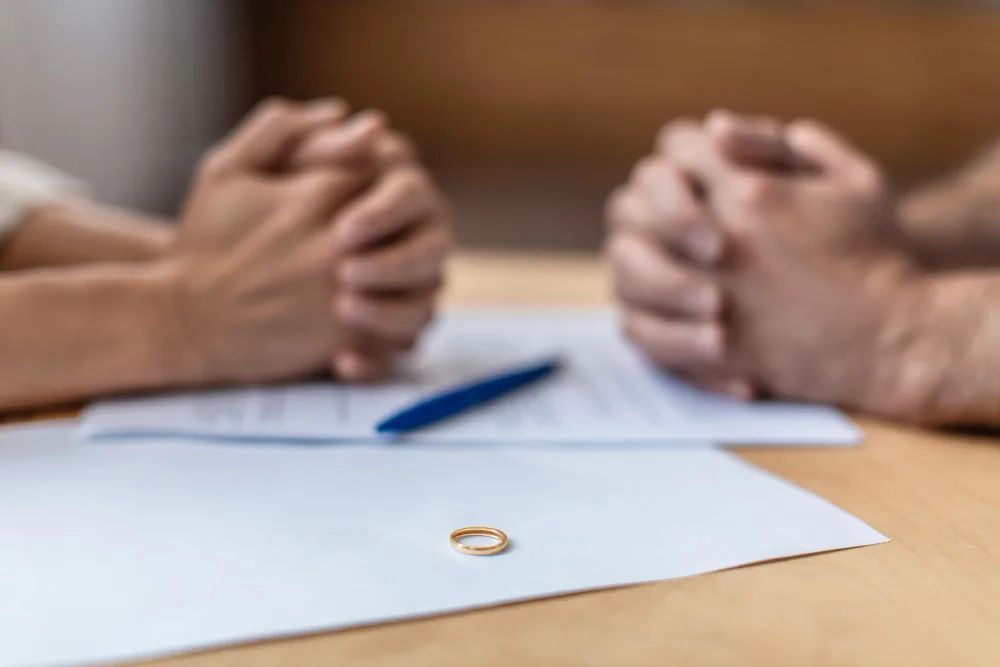
Divorce is often painted as a courtroom battle—two opposing sides fighting over every asset and custody minute while a judge bangs a gavel. But that isn't the only way to end a marriage. For many couples in Central Florida, the traditional litigation route feels too destructive, too expensive, and too public.
Collaborative divorce offers a different path. It's a legal process designed to help couples resolve their differences respectfully, without ever setting foot inside an Orange County courtroom. Instead of fighting against each other, you work with each other to untangle your lives.
If you're looking for a way to prioritize your family's future over winning a legal fight, understanding how collaborative divorce works is the first step. This guide breaks down the process, the benefits, and how to find the right collaborative divorce attorney in Orlando, FL to guide you through it.
What is the Collaborative Divorce Process?
Collaborative divorce is a voluntary method of dispute resolution where both spouses agree to resolve their divorce issues outside of court. It involves a team approach. You, your spouse, and your respective attorneys sign a "participation agreement." This contract states that if the collaborative process fails and you decide to go to court, the current attorneys must withdraw, and you both must hire new legal counsel.
Why does the participation agreement matter?
This agreement is the engine that makes the whole process work. Because the attorneys are disqualified if the case goes to litigation, everyone in the room—lawyers included—has a strong financial and professional incentive to settle. It removes the threat of "see you in court" from the negotiation table, allowing for open, honest communication.
In a traditional divorce, attorneys are often preparing for trial from day one. In a collaborative divorce, 100% of the energy is focused on settlement. This shift in mindset changes the entire tone of the dissolution. Instead of strategic posturing, the focus becomes problem-solving.
How Does the Process Work in Orlando?
The process typically follows a series of structured meetings rather than court hearings. Here is what you can expect:
- Building the Team: Each spouse hires a specifically trained collaborative attorney.
- Initial Meeting: You, your spouse, and the attorneys meet to sign the participation agreement and identify the immediate issues that need attention (like temporary housing or finances).
- Information Gathering: Both sides agree to full and voluntary disclosure of all financial documents. There is no need for formal "discovery" or subpoenas.
- Joint Meetings: You will attend a series of "four-way" meetings to discuss custody, asset division, and support.
- Finalizing the Agreement: Once terms are reached, the attorneys draft a Marital Settlement Agreement. This is filed with the court for a judge's final signature, but you usually don't have to appear in person.
Who else is in the room?
One of the unique features of this process is the inclusion of neutral professionals. In Orlando, it's common to bring in a neutral financial professional (like a CDFA) to help map out budgets and asset division, and a neutral mental health professional (often called a facilitator) to help manage communication and emotional triggers. This interdisciplinary team helps you make decisions based on facts and future goals, rather than anger or fear.
What Are the Advantages of Collaborative Divorce?
Choosing collaboration over litigation isn't just about being "nice." It offers tangible benefits that affect your finances, your timeline, and your family's emotional well-being.
Does it really reduce conflict?
Yes, because the system is designed to de-escalate tension. In a standard divorce, the legal system is adversarial by nature—one person vs. the other. Collaborative practice changes the dynamic to "the family vs. the problem." This is especially vital for parents who will need to co-parent for years to come. By learning to communicate effectively during the divorce, you're setting a better foundation for post-divorce parenting.
Is it more private than court?
Privacy is a major factor for many Orlando professionals and business owners. When you litigate, your financial affidavits, accusations, and personal dirty laundry become part of the public record at the Orange County Courthouse. Anyone can pull those files. In a collaborative divorce, the negotiations happen in private conference rooms. The financial details often remain private, and only the final settlement agreement is filed.
Do you have more control?
Absolutely. In court, a judge—a stranger who doesn't know your family—makes the final decisions based on rigid statutes. In the collaborative process, you and your spouse craft the solutions. You can be creative. For example, if you want to create a unique visitation schedule that accommodates a shift-work schedule at Disney or Universal, you can do that. As long as both parties agree and it's within the law, you have the flexibility to design an outcome that actually fits your life.
How Much Does Collaborative Divorce Cost?
Cost is often the first question on everyone's mind. While every case is unique, collaborative divorce is generally less expensive than a full-blown litigated trial. In litigation, you pay for court filings, process servers, depositions, and hours of attorney time spent waiting in court hallways.
In the collaborative model, your money goes toward the professionals helping you reach a settlement. While you're paying for a team (attorneys, financial neutrals, facilitators), using a neutral financial expert to crunch numbers is often cheaper than having two separate lawyers do the same math and argue over it.
According to the International Academy of Collaborative Professionals, the average cost of a collaborative divorce ranges from $25,000 to $50,000 per family, whereas litigated divorces that go to trial can easily exceed $70,000 or more. By streamlining the process and avoiding court delays, you preserve more of the family estate for your post-divorce lives.
How Do I Find a Collaborative Divorce Attorney in Orlando?
Not every family lawyer can handle a collaborative case. It requires specific training in mediation and collaborative law protocols. When looking for representation, you cannot simply hire a "shark" who is used to courtroom brawls; you need a skilled negotiator.
What questions should I ask?
When you're interviewing potential attorneys, ask specifically about their collaborative experience:
- "Have you completed the specific training required for collaborative practice?"
- "What percentage of your cases are handled collaboratively?"
- "Are you a member of any local practice groups, like the Collaborative Family Law Group of Central Florida?"
You want someone who understands the local legal landscape in Orange and Seminole counties but is committed to keeping you out of the court system.
Is Collaborative Divorce Right for You?
If you and your spouse are willing to be transparent, respectful, and focus on the future rather than the past, this process can save you significant stress and money. It allows you to close this chapter of your life with dignity.
At Ilvento Law, we believe that your family's transition doesn't have to be a war. We are dedicated to helping Orlando families find peaceful, practical resolutions.
Ready to explore a better way to divorce? Contact Ilvento Law today to schedule a consultation with a qualified collaborative divorce attorney in Orlando, FL. Let us help you protect your future.