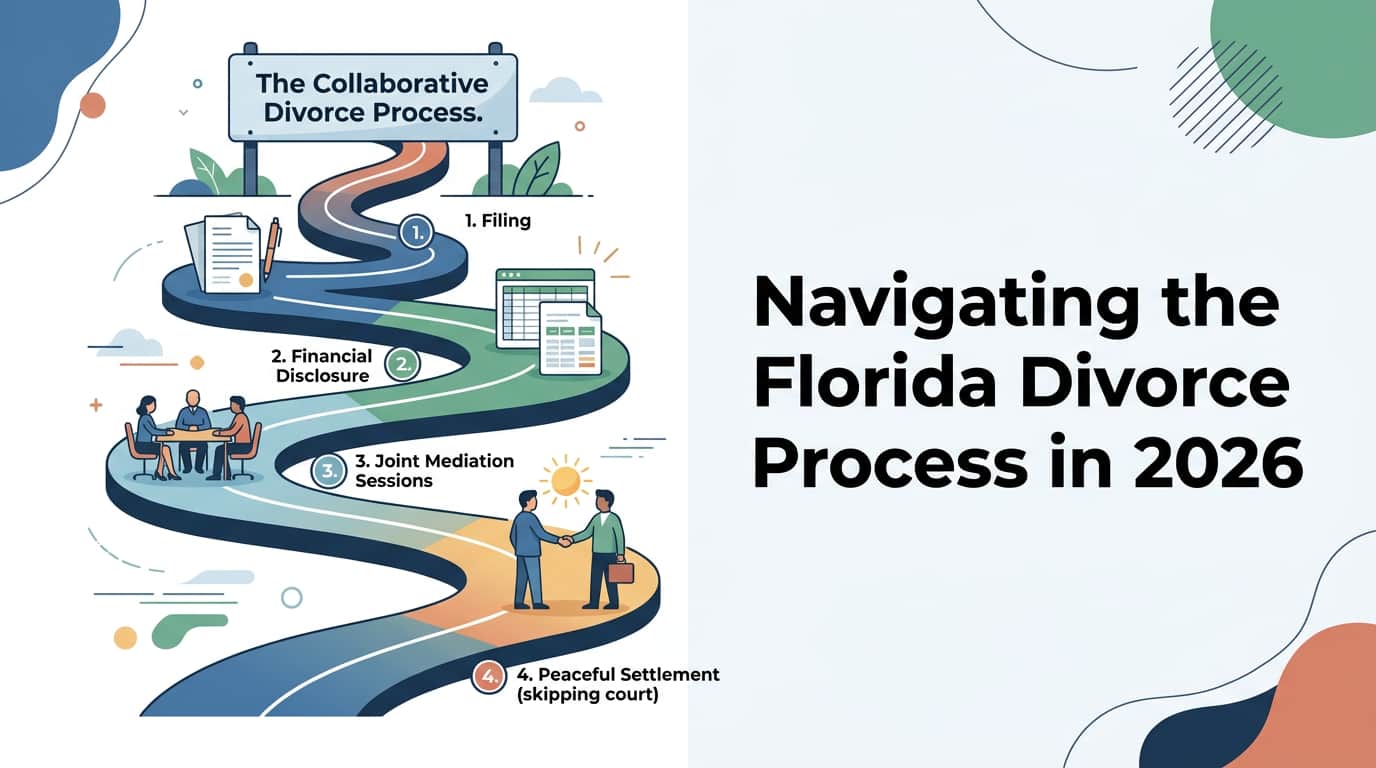
Filing for divorce in Florida is rarely simple, and the rules have specific requirements that can catch people off guard. If you're an Orlando resident considering this step, getting local legal guidance early can save you thousands of dollars and months of unnecessary stress. Ilvento Law has helped hundreds of Central Florida families through this process. Call (407) 898-0747 today for a consultation.
Florida operates under a no-fault divorce system, meaning neither spouse has to prove wrongdoing to file. You simply need to show the marriage is "irretrievably broken." That said, the procedural requirements, financial disclosures, and parenting agreements still carry significant legal weight. Knowing how each step works before you start can make a real difference in the outcome for your family.
Does Florida Have a Residency Requirement for Divorce?
Yes. At least one spouse must have lived in Florida for a minimum of six months before filing. In Orange County, you'll file your petition with the Ninth Judicial Circuit Court. If you've recently relocated to the Dr. Phillips or Thornton Park area, make sure you can document your residency with a Florida ID, lease agreement, or utility bills before submitting any paperwork.
Filing fees in Orange County currently run around $408 for a petition with minor children and $301 without. Those costs don't include attorney fees, copying, or service of process.
Simplified vs. Regular Dissolution: Which Applies to You?
Florida offers two main paths. Simplified dissolution is available when both spouses agree on all terms, have no minor children, and neither is seeking alimony. It's faster and less expensive, but both parties must appear at the final hearing together.
Regular dissolution applies to most families, especially those with children, shared property, or disagreements about finances. This is the more common path, and it involves mandatory financial disclosures, a parenting plan, and often mediation before a judge will sign off. If your situation involves any complexity at all, a family law attorney can help you assess which route makes sense.
How Does Florida Divide Assets in a Divorce?
Florida follows equitable distribution. Courts divide marital assets and liabilities fairly, though not always 50/50. Judges look at factors like the length of the marriage, each spouse's financial contributions, and whether one party sacrificed career opportunities for the family.
Marital property includes assets acquired during the marriage, such as the family home, retirement accounts, and joint debts. Separate property, like an inheritance received in one spouse's name, generally stays with that person. That said, the line between marital and separate property can blur over time, particularly in long marriages. One thing we see regularly in cases involving older Winter Park or College Park homes is disagreement over how much appreciation belongs to the marriage versus the original owner.
Document everything. Bank statements, retirement account balances, mortgage records, and property appraisals all become part of the financial picture the court evaluates.
What Are Florida's Rules for Parenting Plans and Time-Sharing?
Florida doesn't use the term "custody" in its statutes. Instead, it requires divorcing parents to submit a parenting plan that outlines how decisions are made for the child and how time is split between households.
Courts start from a position that both parents having substantial time with the child is generally in the child's best interest. There's no automatic 50/50 rule, but equal or near-equal time-sharing is common when both parents live in the same area and are fit caregivers. Child support is calculated using Florida's Income Shares Model, which factors in both parents' gross incomes and the number of overnights each parent has per year.
If you and your spouse can agree on a parenting plan without litigation, you'll save significant time and money. Contested custody cases can extend a divorce timeline by six months or more and add tens of thousands in legal fees.
Why Does Florida Require Mediation Before Trial?
Florida courts require mediation in most contested family law cases before a judge will schedule a trial. This isn't a formality. Mediation resolves the majority of divorce disputes without ever reaching a courtroom.
A skilled mediation attorney guides both spouses through a structured negotiation, helping them reach agreements on property, support, and parenting. Mediation typically costs between $3,000 and $7,000 total. Compare that to traditional litigation, which often runs $15,000 to $50,000 per person, and the reason courts push this path becomes clear.
Most cases in Central Florida resolve in one to three mediation sessions over two to eight weeks. A contested divorce that goes to trial in Orange County can take 12 to 18 months. Mediation keeps you in control of the outcome, rather than leaving critical decisions to a judge who doesn't know your family.
Lauren Ilvento at Ilvento Law is a Florida Supreme Court Certified Family Law Mediator, which means she holds one of the highest levels of certification available in the state. That's a distinction held by less than 1% of Florida attorneys.
What Happens at the Final Divorce Hearing?
Once all agreements are in place, whether through mediation or negotiation, your case moves to a final hearing. If the divorce is uncontested, this hearing is typically brief, often under 30 minutes. A judge reviews your marital settlement agreement, parenting plan, and child support calculation, then signs the final judgment of dissolution.
From the date of filing, an uncontested divorce in Florida can be finalized in as little as 30 to 60 days, assuming all paperwork is in order and both parties cooperate. Contested cases take considerably longer. Realistically, plan for three to six months for a moderately complex case, and 12 to 18 months if significant disputes go unresolved.
Once the judge signs the final decree, it's legally binding. Changes to parenting plans or support require a formal modification petition showing a substantial change in circumstances.
What's the Smartest Way to Protect Yourself During a Florida Divorce?
Start with a clear picture of your finances. Gather tax returns from the past three years, recent pay stubs, bank statements, and any documentation of property values or debts. Florida requires both parties to file a Financial Affidavit within 45 days of service in a contested case. Missing this deadline can delay your entire proceeding.
Choose a path that fits your family. Couples who communicate reasonably well often do better with mediation or collaborative divorce, both of which reduce conflict and cost. Those facing complex asset division, business interests, or significant disagreements about children may need more direct legal representation from the start.
Getting support from a divorce lawyer in Orlando, Florida who understands the local courts and judges matters more than most people realize. Knowing how Orange County judges typically approach specific issues, like relocation requests or business valuation disputes, shapes the advice you receive and the strategy you build. Lauren Ilvento has been practicing family law in Central Florida since 1995, and that depth of local experience shows in how cases are handled.
Don't put major financial and parenting decisions in the hands of a process you don't fully understand. Reach out to Ilvento Law at (407) 898-0747 to schedule your consultation and start building a clear path forward.